Why Silver Premiums Spike in a Panic: A Plain-English Explainer
Spot silver can fall all day on a screen while the coin in your local shop gets more expensive. That contradiction shows up whenever metals grab headlines, and it confuses people who assume there is one price for silver. There isn't. There is a wholesale, financial price for metal, and there is the price of a specific object, in a specific size, from a specific seller, delivered to a specific address. The gap between the two is the premium — and in a panic that gap can widen enough to change whether a purchase makes sense at all.
What a premium actually measures
Spot is a wholesale quotation. It refers to large, standardized lots of metal changing hands between professional counterparties, often without any metal moving at all. It is a useful benchmark and a terrible description of what it costs to put a one-ounce coin in your hand.
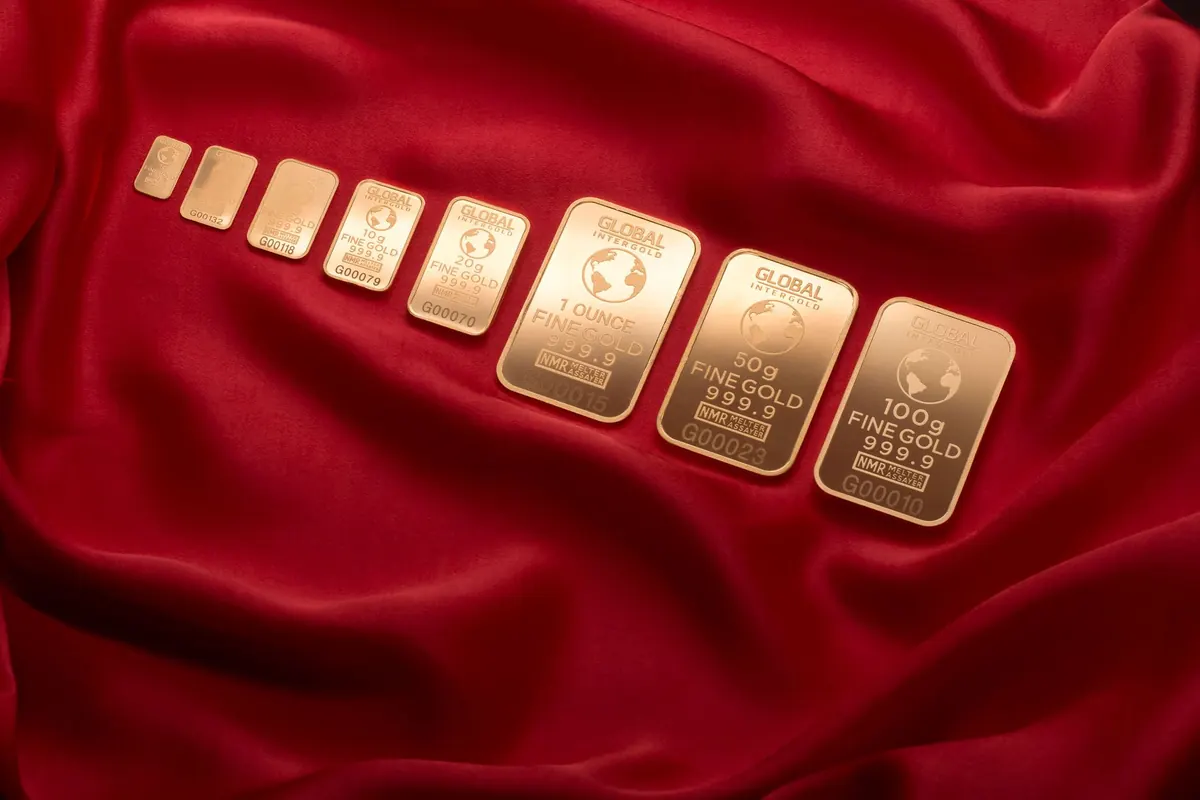
The premium is the difference between what you pay and that benchmark, usually expressed as a percentage. It has to cover real things: refining the metal into a saleable form, stamping or casting it, packaging, insured transport, storage, dealer margin, the cost of holding inventory, and the labor of handling a small order that earns a small commission. Those costs are largely fixed per unit, which is why a one-ounce coin carries a much higher percentage premium than a hundred-ounce bar. Fractional pieces are worse still — a half-ounce coin costs nearly as much to make and ship as a full one.
A premium is not automatically a rip-off. It is the price of turning bulk metal into the specific thing you want to own, in the quantity you can afford.
Watch the language, too. Dealers often quote a premium when they sell to you and a different, usually smaller, figure when they buy back. The number that matters is the round trip: what you pay over spot today versus what you would receive under spot if you sold tomorrow.
Why premiums exist at all in a calm market
In quiet conditions, premiums are boring. Competition among dealers, wholesalers and online sellers keeps them in a narrow band, and buyers learn roughly what a common bullion coin or bar should cost over spot. Products differ: government-minted coins usually carry more than generic rounds, small bars more than large ones, and anything with collector appeal can leave pure metal pricing behind entirely.
That baseline is the thing to know before a spike. If you have never looked at premiums when nothing is happening, you have no reference point when everything is.
The panic sequence, step by step
A premium spike is not one event. It is a chain of small failures that feed on each other, and it usually runs in roughly this order:
- Attention arrives before money does. A price move or a news story pulls in people who have never bought metal. They research for an afternoon and then order.
- Demand concentrates. Almost everyone wants the same few products — the recognizable one-ounce coin, the one-ounce bar, the smallest affordable unit. Nobody panics into a hundred-ounce bar.
- Retail inventory runs out. Dealers hold limited stock because inventory is expensive: it ties up capital, costs money to insure, and must be hedged against price moves. The popular items sell out first, sometimes within days.
- Restocking fails. The dealer's wholesaler is also short. Orders that normally ship immediately go to "allow several weeks" or "call for availability."
- Premiums become a rationing tool. A dealer with ten coins and fifty buyers has two options: raise the price until only ten buyers remain, or allocate. Most raise the price. This is the moment the premium visibly detaches from spot.
- The secondary market clears higher. Auction sites and peer-to-peer listings fill the gap, often at prices above what the big dealers were charging. That becomes the new reference point.
- Producers quote lead times. Refiners and mints take orders they cannot fill quickly. Some suspend certain products or restrict sales to established customers rather than take money they cannot honor on time.
- Fatigue sets in. Demand eases as the news cycle turns or as buyers balk at the new price. Premiums then fade slowly, not instantly.
The three bottlenecks behind every spike
Dealer inventory
Dealers are not warehouses. They are intermediaries who try to turn stock quickly, and they hedge their exposure with futures or forwards so a price drop does not wipe them out. When hedging becomes expensive or awkward — volatile prices, thin liquidity, margin calls — they widen spreads to protect themselves. When they are simply sold out, no advertised premium is meaningful, because there is nothing to buy at that price.
Refiners and mints
Turning large bars into small ones takes capacity: melting, assay, rolling, blanking, stamping, packaging, and quality control, all done by trained staff on equipment that cannot be conjured up in a week. Government mints sell through authorized distributors and often ration them when demand surges. New capacity arrives in months or years, not days. This is the real reason a spike lasts: the retail end of the chain is thin, and the manufacturing end is slow.
The shape of retail demand
Industrial users buy in tonne lots on long contracts. Retail buyers want small, certified, easily resold units. The supply chain is optimized for the first and merely tolerates the second. A modest shift of money into retail products therefore hits the tightest link in the chain, and the premium does the adjusting.
Why premiums stay high after the panic fades
Restocking takes time, and dealers who bought inventory at painful prices cannot sell it cheaply without taking a loss. Buyers, meanwhile, anchor to the premiums they remember and refuse to pay the new level, so volumes dry up and spreads stay wide. Buy-back offers often lag worst of all: a dealer facing uncertain demand may quote a low bid or stop buying entirely, which is exactly when nervous holders want to sell.
How to read a premium before you commit
- Compare delivered prices, not headline premiums. Include shipping, insurance and any applicable taxes and fees.
- Calculate it yourself. Take the total you pay, subtract the spot price for that weight and fineness, and divide by spot. Do it for two or three sellers.
- Check availability honestly. A low premium on a product with a two-month lead time is a marketing number, not a price.
- Ask for the buy-back price. If the dealer will not quote one, you have found your answer about liquidity.
- Confirm the seller is established. Panics attract new websites with attractive pricing and no track record.
- Remember local rules vary. Tax treatment and import limits on bullion differ by country and can change; check your own jurisdiction, and take professional tax advice where it affects you.
What to do before the next spike
Decide in calm conditions what you want to own and why, then buy in ordinary increments rather than in a single frightened purchase. Standardize on two or three products so you know their normal premium by heart, and keep a note of what you paid. If you are cost-sensitive, larger bars and generic rounds usually cost less over spot, at the price of a smaller pool of future buyers. Keep some budget unspent so a genuine dislocation is an opportunity rather than a regret.
And when a spike comes, treat the premium as information. A wide gap is the market telling you that the thing you want is scarce right now. Sometimes the sensible response is to pay it because you want the metal. Often it is to wait, buy fewer units, or buy a less fashionable product that nobody is queueing for. What you should not do is assume the premium is the spot price, or that the spot price is what you own.
This is general information about how physical markets work, not investment advice. Your circumstances, tax position and time horizon matter, so speak to a licensed adviser before making decisions you cannot reverse.
Photo: 132369 / Pixabay
How Recycled Silver Moves from Electronics to Refined Bars
Recycled silver travels a long road from circuit boards and old contacts to 999-fine bars. Here is how...

Silver Purity Marks for Beginners: 925, 958, and 999 Explained
A plain-English guide to silver purity marks — what 925, 958 and 999 mean, how to read the rest of a...
About Us