Seasonal Silver Demand: Diwali, Lunar New Year, and Wedding Season
Silver has a way of appearing in moments that matter: a coin pressed into a child’s hand, a bracelet given at a wedding, a small gift carried to a family gathering. Those moments are not evenly spread through the year. They cluster around festivals and marriage calendars, and that clustering gives the silver market a seasonal rhythm that buyers, sellers and long-term investors can learn to read.
Why silver demand has a calendar
Global silver pricing is set by large forces: interest rates, the US dollar, investment flows, industrial fabrication and mine supply. Seasonal jewelry demand is smaller than those forces, but it is visible in the physical market. When many families buy at once, dealers draw down stock, fabricators schedule extra shifts and local premiums can move. The effect is rarely a straight line from festival date to higher spot price. Markets anticipate. A strong Diwali season may be priced in weeks before the first lamp is lit, and a quiet season can leave stock heavy even when the metal itself is in demand.
That distinction matters. Spot price is the global benchmark. Retail price includes fabrication, dealer margin, taxes and premiums. A festival can lift the second without moving the first. It can also do the opposite: spot price may rise on investment demand while festival buyers stay cautious because local prices feel high.
Diwali and Dhanteras: the autumn pulse
Diwali falls in autumn, usually in October or November. In India, the festival is associated with lights, family gatherings and, for many households, the purchase of precious metal. Dhanteras, the first day of the five-day festival, is especially associated with buying gold and silver. Silver coins, small bars, utensils, jewelry and gift items move through retail channels in the weeks before.
The demand is not only about luxury. A silver coin can be a modest gift; a pair of silver anklets can be part of a wedding trousseau; a silver plate can be a practical present. That range makes the Diwali market broad. It also makes it sensitive to household budgets. When local prices are high or incomes are uncertain, buyers may choose lighter pieces or postpone a larger purchase. When sentiment is good, dealers can find themselves short of popular weights and designs.
What the trade watches
Jewelers typically place festival orders well before the season. If you are buying for a wedding or a family gift, asking about delivery times in late summer is not too early. If you are selling, remember that the best retail window often comes before the festival, not on the day itself. After Diwali, attention can shift to the spring wedding and Akshaya Tritiya period, another auspicious buying occasion in parts of India.
Lunar New Year: gifts, red packets and family milestones
Lunar New Year falls in late January or February, with dates set by the lunar calendar. In China and across the diaspora, the holiday is a time for family reunions, gifts and symbols of good fortune. Silver appears in jewelry, ornaments, tea sets, chopsticks, baby gifts and decorative objects. The color and shine matter, but so does the meaning: a silver bracelet for a child, a pair of earrings for a parent, a small ingot as a token of prosperity.
Demand tends to build before the holiday as families prepare and retailers stock up. The timing can clash with other pressures. Factories may close for the holiday, logistics slow down, and dealers in importing markets need stock earlier than their customers expect. In years when the holiday comes early, the buying window compresses. In years when it comes later, there may be more room to replenish.
Lunar New Year also shows how regional demand can differ from global headlines. A quiet week in London or New York does not mean the physical market is quiet in Asia. If you are tracking silver for a purchase, watch local availability and premiums as well as the spot chart.
Wedding season: the long, layered cycle
Wedding demand is less a single date than a season. In India, many weddings cluster after the harvest and before the monsoon, with another window in the autumn. In other markets, spring and summer are common. Silver plays different roles: jewelry, anklets, toe rings, giftware, religious items, serving pieces and decorative objects. Some of it is bought by the couple’s family; some by guests; some by wedding planners and bulk buyers.
This is where seasonal demand becomes logistical. A jeweler may need to commit to designs months ahead. A family ordering a large gift set may need to allow for fabrication and hallmarking. A wedding planner may need matching pieces for several events. When many orders arrive together, lead times stretch. That is why the wedding market can tighten before the wedding season is visible to the general public.
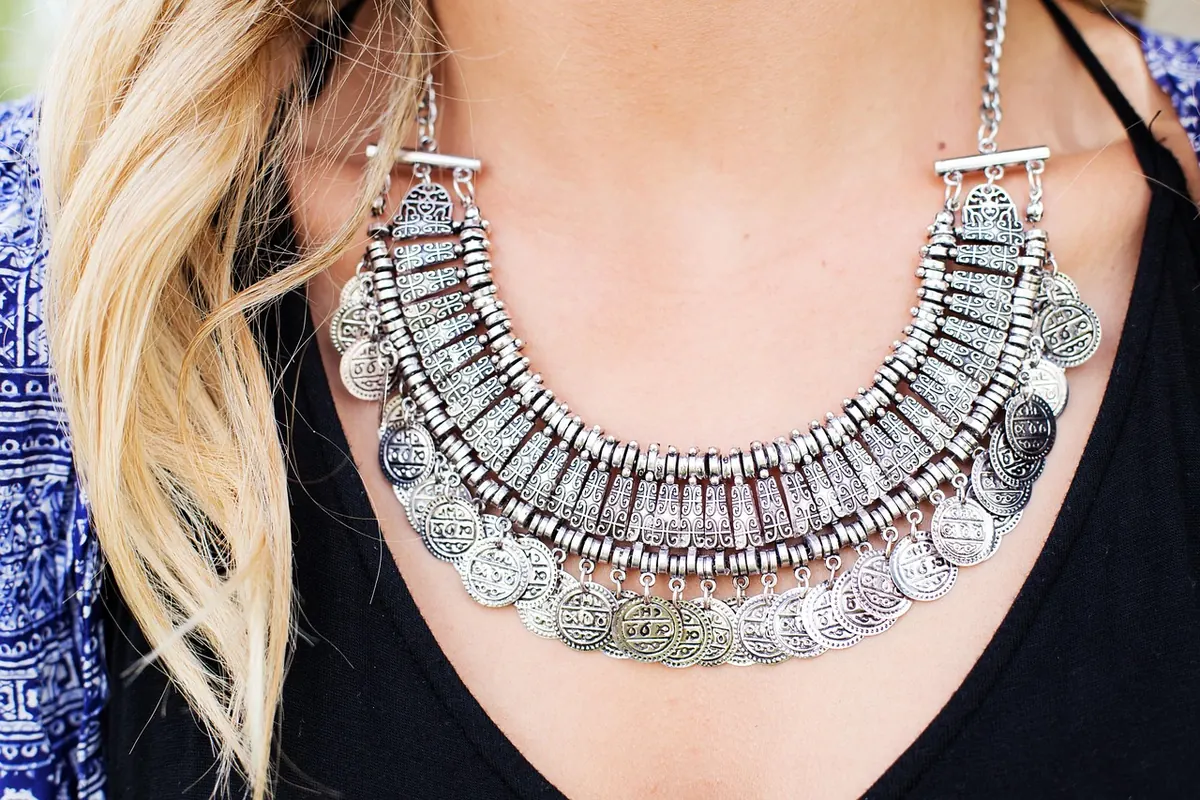
There is also a quality dimension. Silver jewelry is often alloyed for strength, and pieces may be plated or finished in different ways. A festival buyer looking for a keepsake should ask about purity, weight and care. A bulk buyer should confirm specifications in writing. Seasonal urgency is a bad reason to skip those questions.
How seasonality shows up in prices and premiums
Seasonal demand can influence silver pricing in several ways, but not always in the way people expect. The most visible channel is the physical premium: the amount added to the spot price for a coin, bar or piece of jewelry. When local stock is tight, premiums can widen. When demand is weak, dealers may discount to clear inventory. The second channel is availability: popular weights and designs can sell out, even if the metal itself is plentiful. The third is sentiment: a strong festival season can support the idea that physical demand is healthy, which may encourage investment buying.
Against that, macroeconomic factors can overpower the calendar. A sharp move in interest rates or the dollar can change silver’s price regardless of Diwali or Lunar New Year. Investment demand can rise in a quiet jewelry month. Industrial demand, which is a major part of the silver market, follows its own cycle in electronics, solar and other uses. Seasonality is a useful lens, not a forecast.
A simple way to read the season
- Check the calendar: note Diwali, Dhanteras, Lunar New Year and the main wedding windows in your market.
- Separate spot from premium: ask what part of the quote is metal and what part is fabrication, tax and dealer margin.
- Look at lead times: longer delivery times can signal busy fabricators before prices show it.
- Watch local stock: popular coins and jewelry sizes are often the first to tighten.
- Keep context: compare the seasonal signal with rates, the dollar and investment flows.
A practical calendar for buyers and sellers
For buyers, the useful rule is to start early and buy for the occasion, not for the headline. If you need a Diwali gift or a wedding set, ask about delivery and specifications several weeks before the rush. If you are buying silver as a small investment, compare premiums and storage costs rather than chasing a festival date. For sellers, the reverse applies: order early, plan displays around the weeks before the festival, and keep enough stock of accessible weights for modest budgets.
For anyone tracking the market, keep a simple seasonal diary. Note when local dealers get busy, when premiums widen and when stock returns. Over two or three years, that diary can be more useful than a generic calendar. It will show how your market behaves, not just how the global market behaves.
This is market commentary, not investment advice. If you are making a large purchase or investment, speak to a qualified financial or legal professional about your circumstances.
Photo: StockSnap / Pixabay
How Recycled Silver Moves from Electronics to Refined Bars
Recycled silver travels a long road from circuit boards and old contacts to 999-fine bars. Here is how...
Silver Purity Marks for Beginners: 925, 958, and 999 Explained
A plain-English guide to silver purity marks — what 925, 958 and 999 mean, how to read the rest of a...
About Us