Silver IRA Rollover Checklist: Documents, Fees, and Approved Storage
Moving retirement money into silver sounds straightforward until the forms arrive. A missing signature, an unapproved storage arrangement, or a fee you did not notice can turn a simple rollover into weeks of cleanup. The checklist below keeps the process orderly, from the first document request to the final storage confirmation.
Confirm the Account Structure First
A silver IRA is not a special product you buy off a shelf. It is a self-directed IRA that holds physical silver through a custodian, with the metal kept at an approved depository. That structure matters because you cannot take personal possession of the coins or bars and still call the account an IRA. The custodian handles the paperwork; the depository holds the metal.
Before gathering documents, confirm whether you are doing a direct rollover, a trustee-to-trustee transfer, or a 60-day rollover. Direct rollovers and transfers usually avoid tax withholding when handled correctly. A 60-day rollover puts the money in your hands briefly, which creates deadline and tax risk. Ask your current plan administrator and the receiving custodian to confirm the right path for your account. For tax or legal questions, speak with a qualified professional who knows your situation.
Documents to Gather Before You Apply
Most delays come from missing or inconsistent information, not from the metal itself. Collect these items before you start the application so the custodian can process your request without back-and-forth.
- Government-issued photo ID and proof of address. Use the same name and address on every form.
- Self-directed IRA application. Complete every field, including employment and investment experience sections if required.
- Transfer or rollover request form. Specify the account type, approximate value, and whether this is a direct rollover or transfer.
- Recent statement from your current custodian or plan. A current statement helps the receiving firm match the account and speed the request.
- Beneficiary designation. Do not leave this blank or rely on an old form from another account.
- Depository agreement and storage disclosure. Read the custody terms, insurance details, and how fees are charged.
- Written fee schedule. Ask for setup, annual, storage, transaction, and liquidation fees in one document.
- Purchase direction. Once funds arrive, you will need to specify the silver product, quantity, and depository location.
Keep copies of every signed form and confirmation. A simple folder—digital or paper—saves hours if a custodian later asks for proof of a rollover or a storage instruction.
Fees to Compare, Not Just the First One
A low setup fee can hide a higher annual cost. Compare the full cost of holding silver for several years, not just the cost of opening the account. Ask each custodian for a written schedule that shows how and when each fee is charged.
- Account setup or application fee. One-time, but confirm whether it is refundable if the rollover does not complete.
- Annual maintenance fee. Often charged per account, sometimes per asset or per depository.
- Storage and insurance fee. Usually ongoing and based on value or weight; confirm whether insurance is included.
- Transaction and shipping fees. Buying silver may involve a dealer spread, shipping, insurance, and a deposit charge.
- Termination or liquidation fees. Ask what it costs to sell, ship, or close the account later.
Also ask how fees are paid. Some custodians deduct them from the account, which may require selling a small amount of metal. Others bill you directly. Either way, know the method before you sign.
Approved Storage and Eligible Silver
IRA-owned silver must be held by a qualified custodian and stored with an approved depository, not in your home safe or a local coin shop. The depository should provide clear answers about title, insurance, auditing, and how your metal is identified. Segregated storage keeps your specific coins or bars separate; commingled storage holds them in a pooled arrangement. Both can be legitimate, but the costs and paperwork differ.
Questions to ask before you approve a depository
- Is the metal held in the IRA’s name and separate from the depository’s own assets?
- Is the storage arrangement insured, and what does the insurance cover?
- Is the depository audited, and how often?
- Can I verify my holdings through statements or an online portal?
- What happens if I want to sell or move the metal later?
Eligible silver generally must meet IRS fineness rules—typically .999 fine for silver—and be in a permitted coin or bar form. Common examples include recognized sovereign coins and refined bars, but the custodian makes the final call on what it will accept. Confirm eligibility before you direct a purchase.
The Rollover Sequence, Step by Step
- Confirm eligibility and plan rules. Check that your current account can be rolled or transferred and that the receiving custodian accepts silver IRAs.
- Open the self-directed IRA. Submit the application, ID, beneficiary form, and depository agreement.
- Send the transfer or rollover request. Let the two custodians communicate directly whenever possible.
- Wait for funds to settle. Do not instruct a silver purchase until the cash is available in the new account.
- Direct the purchase. Specify the silver product, quantity, and depository. Keep the trade confirmation.
- Confirm storage. Get a statement or written confirmation showing the metal is held in the IRA’s name at the approved depository.
- File the records. Store statements, forms, and confirmations with your retirement paperwork.
Paperwork and Storage Mistakes That Cost Time
Most problems are preventable. Watch for these common slips:
- Signing a transfer form with a name that does not match the old account exactly.
- Leaving the beneficiary section blank or outdated.
- Taking a check personally instead of using a direct rollover.
- Buying silver before the rollover cash has settled.
- Choosing storage without confirming insurance and audit details.
- Ignoring annual storage fees when comparing custodians.
- Failing to keep written confirmation of the depository and holdings.
Your Last Check Before You Sign
Before you commit, read the fee schedule and storage agreement once more. Confirm three things in writing: the account is a self-directed IRA, the silver will be held at an approved depository, and the rollover will be processed directly between custodians. If any answer is vague, ask for it in writing. A few extra minutes now can save months of correction later—and keep your silver IRA properly documented from the start.
Photo: Kampus Production / Pexels
How Recycled Silver Moves from Electronics to Refined Bars
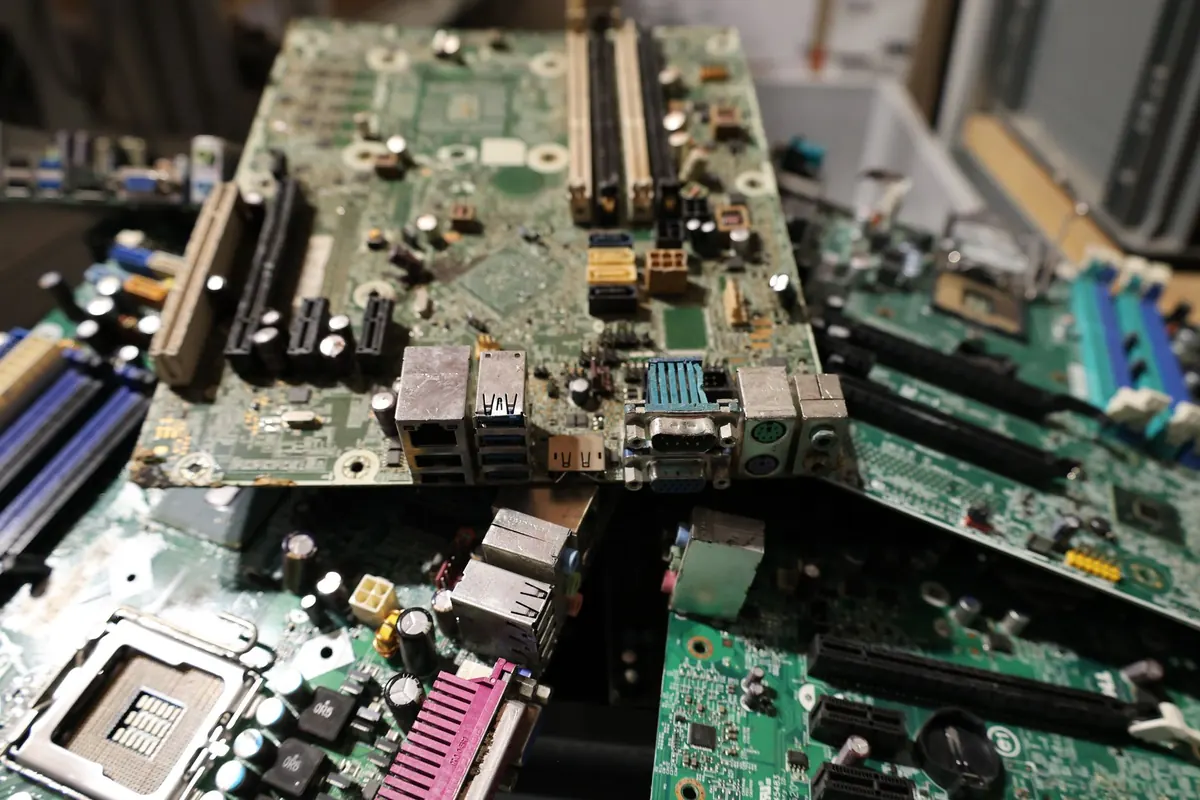
Recycled silver travels a long road from circuit boards and old contacts to 999-fine bars. Here is how...

Silver Purity Marks for Beginners: 925, 958, and 999 Explained
A plain-English guide to silver purity marks — what 925, 958 and 999 mean, how to read the rest of a...
About Us